News Center
News Center
The Ultimate Handbook on PTFE Fiberglass Cloth Applications
2024-11-25
The Ultimate Handbook on PTFE Fiberglass Cloth Applications
Table of Contents
- 1. Introduction to PTFE Fiberglass Cloth
- 2. Exceptional Properties of PTFE Fiberglass Cloth
- 3. Diverse Applications of PTFE Fiberglass Cloth
- 4. Industries Benefiting from PTFE Fiberglass Cloth
- 5. How to Select the Right PTFE Fiberglass Cloth
- 6. Maintenance Tips for PTFE Fiberglass Cloth
- 7. The Future of PTFE Fiberglass Cloth
- 8. Frequently Asked Questions
- 9. Conclusion
1. Introduction to PTFE Fiberglass Cloth
PTFE fiberglass cloth, made from polytetrafluoroethylene (PTFE) resin combined with fiberglass, is a versatile and durable material that has gained immense popularity in various sectors. This composite material is renowned for its exceptional resistance to heat, chemicals, and electrical insulation properties. As industries evolve, the demand for high-performance materials like PTFE fiberglass cloth continues to grow, offering innovative solutions for a wide range of applications.
2. Exceptional Properties of PTFE Fiberglass Cloth
PTFE fiberglass cloth is characterized by several remarkable properties that set it apart from traditional textiles. Understanding these properties is essential for selecting the right material for specific applications.
2.1 Heat Resistance
One of the standout features of PTFE fiberglass cloth is its remarkable heat resistance. The material can withstand temperatures ranging from -100°F to 500°F, making it ideal for high-temperature applications. This heat tolerance ensures that the cloth maintains its integrity and performance under extreme conditions.
2.2 Chemical Resistance
PTFE is known for its outstanding resistance to a wide range of chemicals, including acids, bases, and organic solvents. This property makes PTFE fiberglass cloth the go-to choice for industries that require materials capable of enduring harsh chemical environments without degrading.
2.3 Non-Stick Surface
The non-stick nature of PTFE fiberglass cloth minimizes adhesion, making it excellent for applications requiring low friction. This feature is particularly beneficial in manufacturing processes where materials need to slide over surfaces without sticking.
2.4 Electrical Insulation
PTFE fiberglass cloth provides outstanding electrical insulation properties, making it suitable for applications in electronic and electrical industries. Its ability to insulate against high voltages ensures safety and efficiency in various devices.
3. Diverse Applications of PTFE Fiberglass Cloth
The versatility of PTFE fiberglass cloth allows it to be used in numerous applications across different industries. Here are some of the most notable uses:
3.1 Industrial Conveyor Belts
PTFE fiberglass cloth is widely utilized in the manufacturing of industrial conveyor belts. The material’s heat resistance and non-stick properties ensure reliable performance in food processing, packaging, and manufacturing environments.
3.2 Gaskets and Seals
In industries where leakage prevention is critical, PTFE fiberglass cloth is commonly used to produce gaskets and seals. Its chemical resistance and dimensional stability make it an ideal choice for applications requiring reliable sealing solutions.
3.3 Electrical Insulation Components
The electrical insulation properties of PTFE fiberglass cloth make it a preferred material for producing components like insulators, cable wraps, and protective sleeves. These applications benefit from the material’s ability to withstand high temperatures and voltages.
3.4 Heat Shields and Covers
PTFE fiberglass cloth is often used to create heat shields and covers in various industrial processes. Its ability to reflect heat and resist combustion makes it invaluable in protecting sensitive equipment from thermal damage.
3.5 Food Processing Equipment
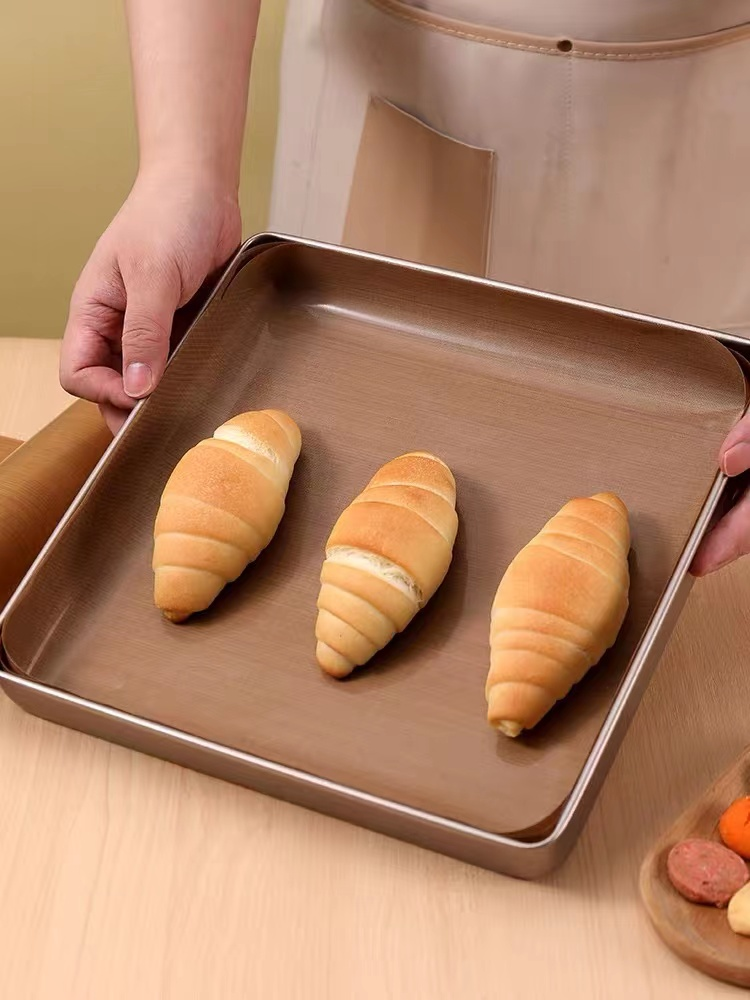
The non-stick and chemical-resistant properties of PTFE fiberglass cloth make it an excellent choice for food processing applications. It is commonly used in baking sheets, mats, and conveyor belts, ensuring food safety and quality.
4. Industries Benefiting from PTFE Fiberglass Cloth
Several industries have embraced PTFE fiberglass cloth for its unique characteristics and performance benefits.
4.1 Aerospace Industry
In the aerospace sector, PTFE fiberglass cloth is used in insulation applications, protective covers, and seals. Its lightweight nature combined with thermal resistance makes it an ideal choice for aircraft components.
4.2 Chemical Processing Industry
The chemical processing industry relies heavily on PTFE fiberglass cloth for gaskets, seals, and protective clothing. Its resistance to corrosive substances ensures safety and efficiency in handling hazardous materials.
4.3 Electronics Industry
The electronics industry utilizes PTFE fiberglass cloth for insulating components and electrical wraps. The cloth’s electrical properties enable the efficient functioning of various electronic devices.
4.4 Food and Beverage Industry
In the food and beverage sector, PTFE fiberglass cloth is a staple for non-stick surfaces, ensuring hygiene and safety in food preparation. Its resistance to various food substances makes it easy to clean and maintain.
4.5 Manufacturing Industry
Manufacturers across various fields use PTFE fiberglass cloth for conveyor belts, heat shields, and protective covers, enhancing productivity and safety in their operations.
5. How to Select the Right PTFE Fiberglass Cloth
Choosing the right PTFE fiberglass cloth for your specific application requires careful consideration of various factors. Here are key elements to keep in mind:
5.1 Application Requirements
Consider the specific requirements of your application, such as temperature range, chemical exposure, and mechanical stress. Assessing these factors will help you narrow down the options available.
5.2 Thickness and Weave
The thickness and weave of the PTFE fiberglass cloth can influence its performance. Thicker fabrics generally offer better insulation and durability, while different weaves may provide varying levels of flexibility and strength.
5.3 Supplier Quality
Select a reputable supplier with a track record of providing high-quality PTFE fiberglass cloth. Ensure that the manufacturer adheres to industry standards and quality control measures.
5.4 Cost Considerations
While it’s important to find a cost-effective solution, prioritize quality and performance over price. Investing in high-quality PTFE fiberglass cloth can lead to long-term savings by reducing maintenance and replacement costs.
6. Maintenance Tips for PTFE Fiberglass Cloth
To ensure the longevity and performance of PTFE fiberglass cloth, proper maintenance is essential. Here are some tips to keep in mind:
6.1 Regular Cleaning
Regularly clean the PTFE fiberglass cloth to remove any residue or contaminants. Use mild detergents and warm water to avoid damaging the material.
6.2 Inspect for Damage
Periodically inspect the cloth for signs of wear and tear. Address any damages promptly to prevent further deterioration and maintain performance.
6.3 Proper Storage
Store PTFE fiberglass cloth in a cool, dry place away from direct sunlight. Proper storage helps prevent unnecessary exposure to extreme temperatures and prolongs the material’s lifespan.
6.4 Avoid Harsh Chemicals
While PTFE is resistant to many chemicals, avoid exposing the cloth to harsh substances that could compromise its integrity. Always refer to the manufacturer’s guidelines for safe usage.
7. The Future of PTFE Fiberglass Cloth
The future of PTFE fiberglass cloth looks promising as industries continue to seek high-performance materials. With advancements in technology and manufacturing processes, we can expect further enhancements in the properties of PTFE fiberglass cloth, making it even more versatile and efficient in meeting the demands of modern applications.
8. Frequently Asked Questions
8.1 What is PTFE fiberglass cloth made of?
PTFE fiberglass cloth is composed of polytetrafluoroethylene (PTFE) resin combined with fiberglass strands, creating a high-performance composite material.
8.2 What are the main benefits of using PTFE fiberglass cloth?
The main benefits include exceptional heat and chemical resistance, electrical insulation properties, a non-stick surface, and durability.
8.3 How can I clean PTFE fiberglass cloth?
To clean PTFE fiberglass cloth, use mild detergents and warm water. Avoid harsh chemicals that could damage the material.
8.4 What industries use PTFE fiberglass cloth?
Industries such as aerospace, chemical processing, electronics, food and beverage, and manufacturing commonly use PTFE fiberglass cloth.
8.5 Can PTFE fiberglass cloth be used in high-temperature applications?
Yes, PTFE fiberglass cloth can withstand temperatures ranging from -100°F to 500°F, making it suitable for high-temperature applications.
9. Conclusion
In conclusion, PTFE fiberglass cloth is a high-performance material that offers numerous advantages across various industries. Its exceptional properties, including heat and chemical resistance, electrical insulation, and non-stick surface, make it an invaluable asset for applications ranging from industrial conveyor belts to food processing equipment. By understanding the selection criteria and maintenance tips outlined in this handbook, you can make informed decisions and maximize the potential of PTFE fiberglass cloth in your projects. As technologies advance, we anticipate even greater developments in this versatile material, paving the way for innovative applications that will shape the future of many industries.
Latest News


Contact Kaicheng
Address:Huanxi road, Taixing, Jiangsu, China.
E-mail:info@kcptfe.com
Sales1: 86-133 388 76881 Sales2:86-151 9060 5969
Monday-Friday: 9am to 6pm Saturday, Sunday: Closed
Address:Huanxi road, Taixing, Jiangsu, China.
E-mail:info@kcptfe.com
Sales1: 86-133 388 76881
Sales2:86-151 9060 5969
Monday-Friday: 9am to 6pm
Saturday, Sunday: Closed
Copyright © 2023 Taizhou KaiCheng synthetic material Co., Ltd. Powered by:www.300.cn tag Business license
Copyright © 2023 Taizhou KaiCheng synthetic material Co., Ltd.
 info@kcptfe.com