News Center
News Center
Understanding PTFE Fiberglass Cloth: A Versatile Material in Chemical Applications
2024-11-19
PTFE fiberglass cloth, often referred to simply as PTFE cloth, is a specialized composite material made from polytetrafluoroethylene (PTFE) and fiberglass. Known for its exceptional chemical resistance, thermal stability, and non-stick properties, PTFE fiberglass cloth has become a vital asset in various industries, particularly in the chemical sector, where it is used in applications involving resins and natural fibers.
The primary component, PTFE, is a high-performance fluoropolymer. It is renowned for its ability to withstand extreme temperatures, ranging from -200°C to +260°C, making it ideal for environments where conventional materials may fail. When combined with fiberglass, the resulting cloth exhibits enhanced tensile strength, durability, and resilience against mechanical wear and tear. This combination enables the material to maintain its integrity and performance even under rigorous operating conditions.
One of the most significant advantages of PTFE fiberglass cloth is its chemical resistance. It is inert to most chemicals, including acids, bases, and solvents, which is crucial in chemical manufacturing processes. This property not only extends the lifespan of equipment but also ensures safety by minimizing the risk of contamination. For industries that handle corrosive substances, PTFE fiberglass cloth serves as an excellent lining material for tanks, pipes, and other equipment, providing a barrier that protects against chemical wear.
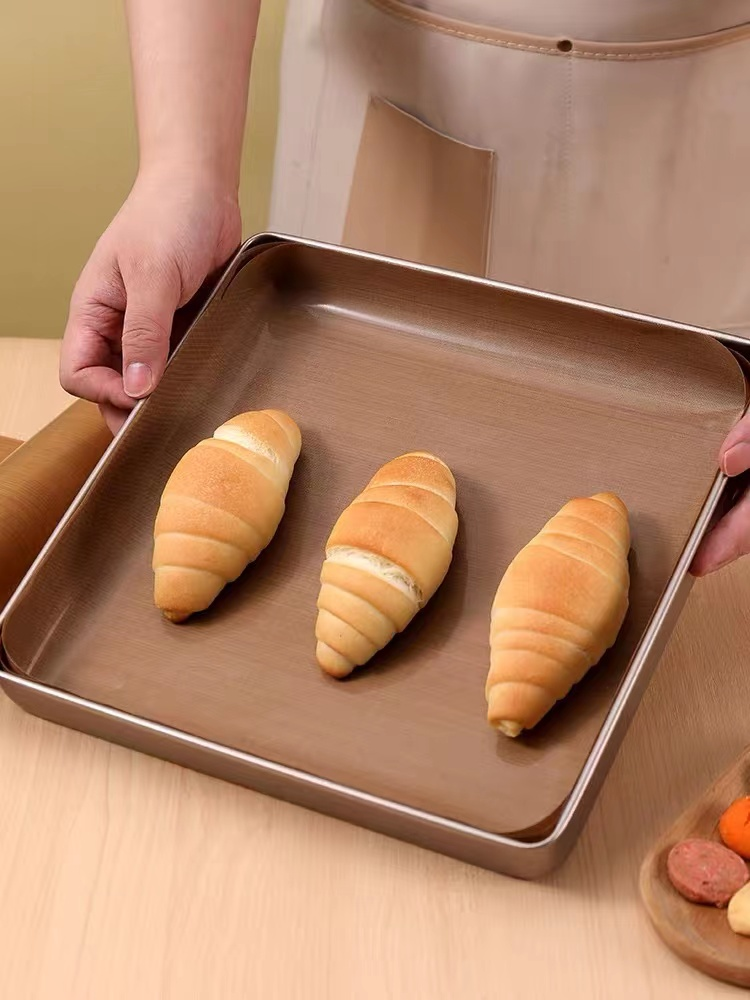
In addition to its chemical applications, PTFE fiberglass cloth is highly valued for its non-stick surface, making it a preferred choice for various manufacturing processes involving resins. For instance, in the production of composite materials, PTFE cloth can be used as a release agent, preventing resins from adhering to molds and equipment. This facilitates easier removal of finished products and reduces cleanup time, ultimately increasing efficiency in production lines.
Moreover, the thermal properties of PTFE fiberglass cloth play a critical role in its application. It can serve as an insulating layer in electrical and thermal applications, helping to protect sensitive components from high temperatures. Additionally, its low friction characteristics make it an ideal choice for conveyor belts and other machinery where minimizing friction is essential for operational efficiency.
In summary, PTFE fiberglass cloth emerges as a multifaceted material that aligns perfectly with the needs of the chemical industry, especially in resin and natural fiber applications. Its unique combination of chemical resistance, thermal stability, and non-stick properties positions it as a valuable resource for professionals aiming to enhance productivity and safety in their operations. Understanding the benefits and applications of PTFE fiberglass cloth can empower industry professionals to make informed decisions that promote innovation and efficiency in their respective fields.
The primary component, PTFE, is a high-performance fluoropolymer. It is renowned for its ability to withstand extreme temperatures, ranging from -200°C to +260°C, making it ideal for environments where conventional materials may fail. When combined with fiberglass, the resulting cloth exhibits enhanced tensile strength, durability, and resilience against mechanical wear and tear. This combination enables the material to maintain its integrity and performance even under rigorous operating conditions.
One of the most significant advantages of PTFE fiberglass cloth is its chemical resistance. It is inert to most chemicals, including acids, bases, and solvents, which is crucial in chemical manufacturing processes. This property not only extends the lifespan of equipment but also ensures safety by minimizing the risk of contamination. For industries that handle corrosive substances, PTFE fiberglass cloth serves as an excellent lining material for tanks, pipes, and other equipment, providing a barrier that protects against chemical wear.
In addition to its chemical applications, PTFE fiberglass cloth is highly valued for its non-stick surface, making it a preferred choice for various manufacturing processes involving resins. For instance, in the production of composite materials, PTFE cloth can be used as a release agent, preventing resins from adhering to molds and equipment. This facilitates easier removal of finished products and reduces cleanup time, ultimately increasing efficiency in production lines.
Moreover, the thermal properties of PTFE fiberglass cloth play a critical role in its application. It can serve as an insulating layer in electrical and thermal applications, helping to protect sensitive components from high temperatures. Additionally, its low friction characteristics make it an ideal choice for conveyor belts and other machinery where minimizing friction is essential for operational efficiency.
In summary, PTFE fiberglass cloth emerges as a multifaceted material that aligns perfectly with the needs of the chemical industry, especially in resin and natural fiber applications. Its unique combination of chemical resistance, thermal stability, and non-stick properties positions it as a valuable resource for professionals aiming to enhance productivity and safety in their operations. Understanding the benefits and applications of PTFE fiberglass cloth can empower industry professionals to make informed decisions that promote innovation and efficiency in their respective fields.
Latest News


Contact Kaicheng
Address:Huanxi road, Taixing, Jiangsu, China.
E-mail:info@kcptfe.com
Sales1: 86-133 388 76881 Sales2:86-151 9060 5969
Monday-Friday: 9am to 6pm Saturday, Sunday: Closed
Address:Huanxi road, Taixing, Jiangsu, China.
E-mail:info@kcptfe.com
Sales1: 86-133 388 76881
Sales2:86-151 9060 5969
Monday-Friday: 9am to 6pm
Saturday, Sunday: Closed
Copyright © 2023 Taizhou KaiCheng synthetic material Co., Ltd. Powered by:www.300.cn tag Business license
Copyright © 2023 Taizhou KaiCheng synthetic material Co., Ltd.
 info@kcptfe.com