News Center
News Center
Unleashing the Power of PTFE Fiberglass Cloth: A Comprehensive Guide
2024-09-03
Unleashing the Power of PTFE Fiberglass Cloth: A Comprehensive Guide
Table of Contents
- 1. Introduction to PTFE Fiberglass Cloth
- 2. Composition and Manufacturing Process
- 3. Key Properties of PTFE Fiberglass Cloth
- 4. Benefits of Using PTFE Fiberglass Cloth
- 5. Applications of PTFE Fiberglass Cloth
- 6. Maintenance and Care for PTFE Fiberglass Cloth
- 7. PTFE Fiberglass Cloth vs. Other Materials
- 8. Frequently Asked Questions
- 9. Conclusion
1. Introduction to PTFE Fiberglass Cloth
The world of industrial materials often demands solutions that can withstand extreme conditions. **PTFE fiberglass cloth** emerges as a leading option, thanks to its impressive durability and resistance properties. This guide will explore PTFE fiberglass cloth's unique features, manufacturing processes, and versatile applications, providing you with a comprehensive understanding of how to leverage its power effectively.
2. Composition and Manufacturing Process
PTFE, or **polytetrafluoroethylene**, is a high-performance fluoropolymer renowned for its non-stick, chemical-resistant properties. When combined with fiberglass, it forms a composite material that boasts enhanced strength and flexibility.
The manufacturing process typically involves:
1. **Weaving** fiberglass yarns into a fabric.
2. **Coating** the fabric with PTFE to create a non-stick surface.
3. **Curing** the coated fabric to ensure durability and adhesion.
This meticulous process results in a **PTFE fiberglass cloth** that is not only strong but also capable of withstanding extreme temperatures and harsh chemical environments.
3. Key Properties of PTFE Fiberglass Cloth
PTFE fiberglass cloth possesses several remarkable properties that set it apart from traditional fabrics:
3.1 Temperature Resistance
This material can endure temperatures ranging from -70°C to +260°C (-94°F to +500°F), making it ideal for applications that involve high heat.
3.2 Chemical Resistance
PTFE is virtually inert, allowing it to resist degradation from a wide variety of chemicals, acids, and solvents, ensuring longevity in harsh environments.
3.3 Non-stick Surface
The unique surface chemistry of PTFE provides exceptional non-stick properties, making it perfect for applications that require minimal adhesion.
3.4 High Tensile Strength
The incorporation of fiberglass fibers enhances the tensile strength of the cloth, providing robustness and durability under stress.
3.5 Electrical Insulation
PTFE fiberglass cloth offers excellent dielectric properties, making it suitable for electrical insulation applications.
4. Benefits of Using PTFE Fiberglass Cloth
The adoption of PTFE fiberglass cloth offers numerous benefits across various industries:
4.1 Enhanced Durability
The durable nature of PTFE fiberglass cloth means it can withstand wear and tear over extended periods, reducing the need for frequent replacements.
4.2 Cost-Effectiveness
While the initial investment may be higher, the long-term savings from durability and reduced maintenance make PTFE fiberglass cloth a cost-effective choice.
4.3 Versatility
From food processing to aerospace, the versatility of PTFE fiberglass cloth allows it to be utilized in a wide range of applications.
4.4 Improved Safety
The non-stick and chemical-resistant properties contribute to enhanced safety in environments where hazardous substances are handled.
5. Applications of PTFE Fiberglass Cloth
The applications of PTFE fiberglass cloth are vast and varied:
5.1 Food Processing
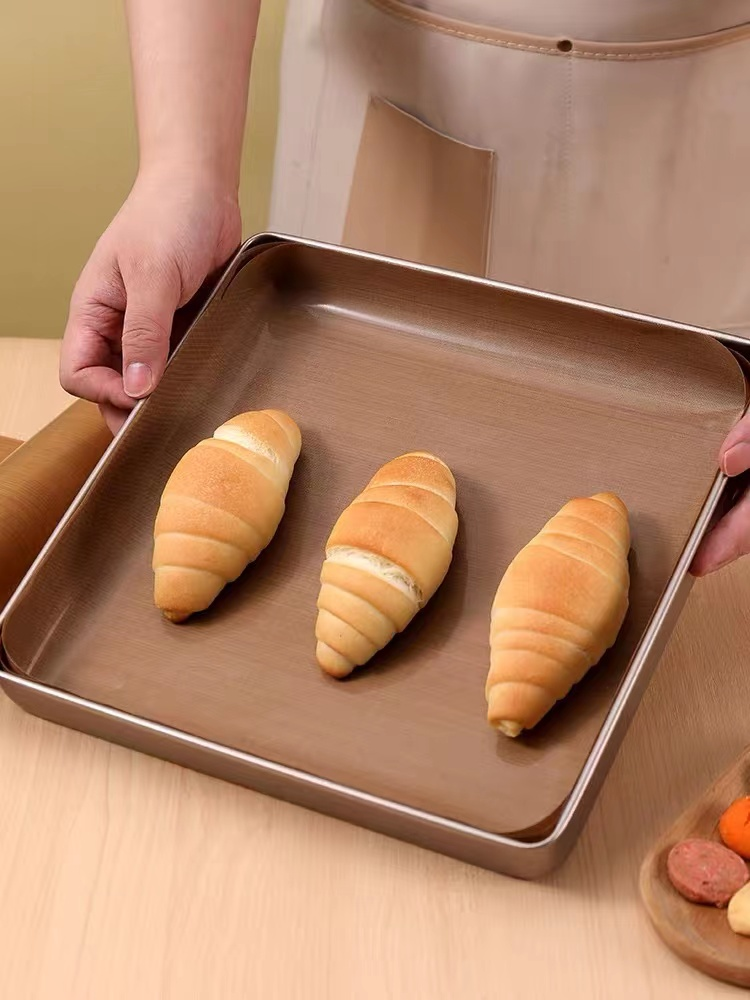
In the food industry, PTFE fiberglass cloth is used in conveyor belts, baking sheets, and frying pans due to its non-stick nature and ability to withstand high temperatures.
5.2 Aerospace and Aviation
In aerospace applications, PTFE fiberglass cloth provides insulation and protection against extreme temperatures and harsh chemicals.
5.3 Electrical Insulation
Its excellent dielectric properties make it suitable for electrical insulation in cables, transformers, and circuit boards.
5.4 Chemical Processing
Industries that deal with corrosive substances utilize PTFE fiberglass cloth for its chemical resistance, ensuring the integrity of equipment.
5.5 Industrial Fabrics
PTFE fiberglass cloth is widely used in industrial applications such as conveyor belts and gaskets due to its strength and durability.
6. Maintenance and Care for PTFE Fiberglass Cloth
To maximize the lifespan of PTFE fiberglass cloth, proper maintenance is essential. Here are some best practices:
6.1 Regular Cleaning
Cleaning PTFE fiberglass cloth is straightforward. Use warm water and mild detergent to remove any contaminants. Avoid abrasive cleaners that might scratch the surface.
6.2 Inspection
Regularly inspect the cloth for any signs of wear or damage. Address any issues promptly to prevent further degradation.
6.3 Proper Storage
Store PTFE fiberglass cloth in a cool, dry place away from direct sunlight to prevent any potential degradation.
7. PTFE Fiberglass Cloth vs. Other Materials
When comparing PTFE fiberglass cloth to other materials, several distinctions arise:
7.1 PTFE vs. PVC
While PVC is a cost-effective option, it lacks the high-temperature resistance and chemical stability that PTFE fiberglass cloth offers.
7.2 PTFE vs. Silicone
Silicone has good heat resistance, but PTFE fiberglass cloth exceeds it in terms of chemical resistance and non-stick properties.
7.3 PTFE vs. Cotton
Cotton is biodegradable and cost-effective but does not provide the same level of durability, heat resistance, or chemical protection as PTFE fiberglass cloth.
8. Frequently Asked Questions
8.1 What is PTFE fiberglass cloth used for?
PTFE fiberglass cloth is used in various applications, including food processing, aerospace, electrical insulation, and chemical processing due to its durability and resistance properties.
8.2 How do I clean PTFE fiberglass cloth?
You can clean it using warm water and mild detergent. Avoid abrasive cleaners to preserve its non-stick surface.
8.3 Is PTFE fiberglass cloth safe for food contact?
Yes, PTFE fiberglass cloth is safe for food contact and is commonly used in food processing applications.
8.4 Can PTFE fiberglass cloth be used outdoors?
Yes, it can be used outdoors, but it should be stored in a shaded area to prevent UV degradation over time.
8.5 How long does PTFE fiberglass cloth last?
With proper care and maintenance, PTFE fiberglass cloth can last several years, making it a cost-effective solution for various applications.
9. Conclusion
In conclusion, **PTFE fiberglass cloth** stands out as a remarkable material in various industries due to its unique properties and versatile applications. With its ability to withstand extreme temperatures, resist chemicals, and provide excellent durability, it is an invaluable resource for engineers, manufacturers, and consumers alike. By understanding its composition, benefits, and appropriate maintenance, we can fully unleash the power of PTFE fiberglass cloth and tap into its potential for enhanced performance and safety in numerous applications.
Latest News


Contact Kaicheng
Address:Huanxi road, Taixing, Jiangsu, China.
E-mail:info@kcptfe.com
Sales1: 86-133 388 76881 Sales2:86-151 9060 5969
Monday-Friday: 9am to 6pm Saturday, Sunday: Closed
Address:Huanxi road, Taixing, Jiangsu, China.
E-mail:info@kcptfe.com
Sales1: 86-133 388 76881
Sales2:86-151 9060 5969
Monday-Friday: 9am to 6pm
Saturday, Sunday: Closed
Copyright © 2023 Taizhou KaiCheng synthetic material Co., Ltd. Powered by:www.300.cn tag Business license
Copyright © 2023 Taizhou KaiCheng synthetic material Co., Ltd.
 info@kcptfe.com